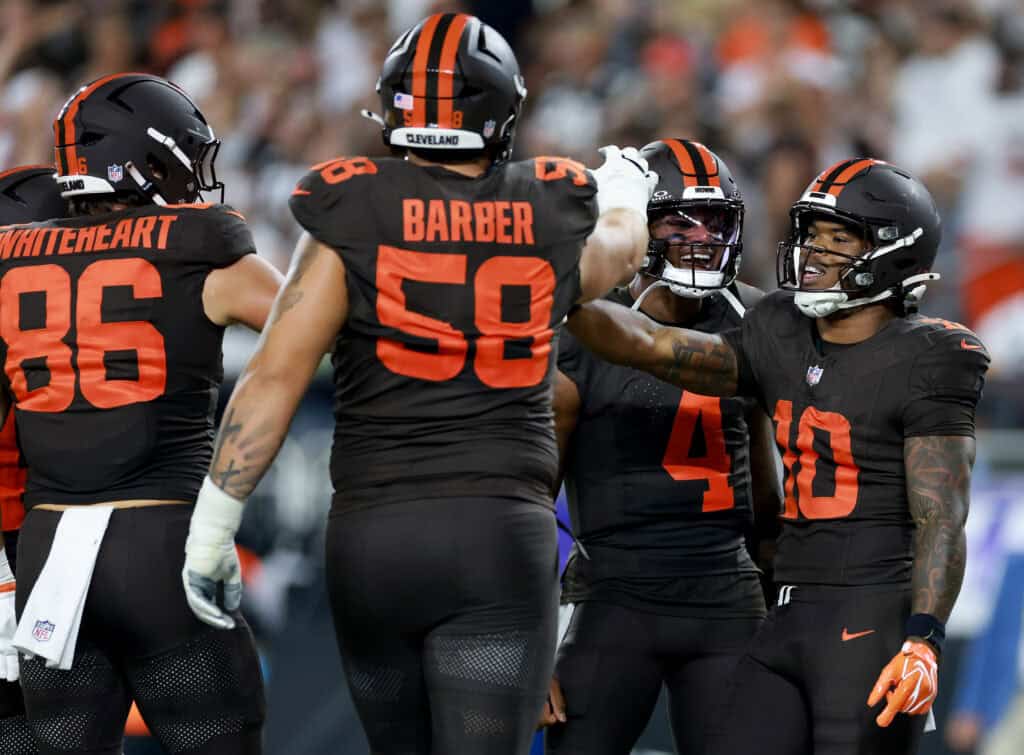
Mina Kimes and Mike Golic Jr. ran through their annual NFL team draft this week, an exercise where the 2 analysts build competing rosters using players from all 32 teams. Cleveland’s selection at pick 31 sparked a conversation about the state of the Browns’ defense heading into 2026.
Golic explained what worries him most about how Cleveland’s defense adjusts without its former star anchoring the front.
“Defensively, you lose the reigning Defensive Player of the Year, but there’s still a bunch of great players in that unit. It’s just, you know, when you don’t have to game plan for the best defensive player in the world, it’s gonna change life for all of them in ways that they haven’t figured out yet. That’s the only concern,” Golic said.
For years, Garrett’s presence forced coordinators to dedicate extra protection, chip blockers and specific schemes just to account for him, often creating opportunities elsewhere on the field for his teammates to operate against lighter attention. Removing that singular focal point changes everything for the other players on the defense, not just whoever lines up at his old position.
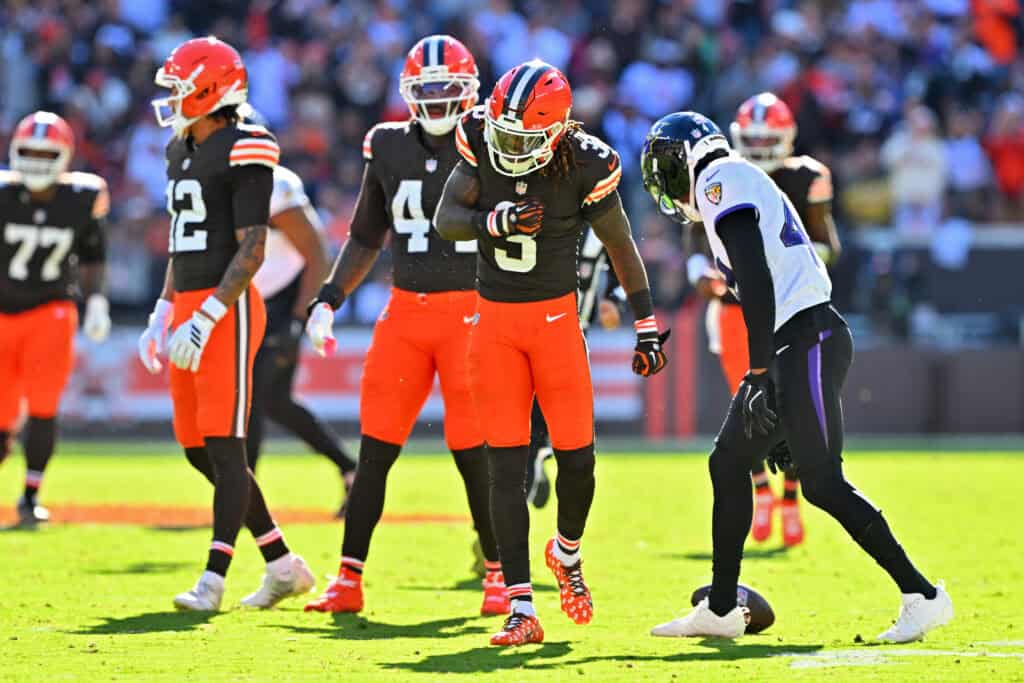
Jared Verse arrives from the Rams as part of the trade that sent Garrett to Los Angeles, and while Verse has already generated plenty of buzz of his own, he now steps into a defense where opposing coordinators may simply choose to prioritize other matchups rather than building an entire game plan around neutralizing one player. Denzel Ward, Carson Schwesinger and the rest of Cleveland’s defensive pieces will all be operating in a different context than they did with Garrett drawing that attention.
Cleveland still has real playmakers on that side of the ball, and Mike Rutenberg inherits a unit with legitimate pieces to work with in his first season as coordinator. But how those players perform once opposing offenses are no longer forced to scheme specifically around Garrett remains a genuine unknown.
NEXT: Analyst Believes Todd Monken Is In Perfect Situation With Browns